Office
805-434-9630
After hrs. - Emergency
805-458-5368
(call or text)
Mailing address:
PO Box 1784
Templeton, CA 93465
Office
805-434-9630
After hrs. - Emergency
805-458-5368
(call or text)
Mailing address:
PO Box 1784
Templeton, CA 93465
Knowing when to remove a tree versus save it is one of the most common questions we are asked by Central Coast homeowners – and the answer isn’t always obvious.
Trees are an investment. They add beauty, shade, and value to your property. So when something goes wrong with a tree, the instinct is often to save it if possible. But sometimes removal is the right call — and waiting too long can turn a manageable situation into a dangerous and expensive one.
Here’s how to think through the decision.
Signs a Tree Can Likely Be Saved
Not every sick or damaged tree needs to come down. In many cases professional pruning, trimming, or treatment can restore a tree’s health and structural integrity. Consider saving a tree when:
• The damage is limited to one area or a few branches
• Less than 50% of the canopy is affected
• The trunk is structurally sound with no major cracks or decay
• The root system appears healthy and stable
• The tree is otherwise healthy and has been well maintained
An experienced tree care professional can assess the tree and give you an honest recommendation. At Whit’s-Turn we always look for ways to save a tree before recommending removal — but we’ll also tell you the truth when removal is the safer option.
Signs a Tree Needs to Come Down
Some situations call for removal regardless of how much you’d like to save the tree. These include:
Structural failure risk
If the trunk has large cracks, significant decay, or hollow sections the tree’s structural integrity is compromised. A tree that falls unexpectedly can cause serious damage to your home, vehicles, fencing, or neighboring property — and in the worst case, injury.
More than 50% of the tree is damaged or dead
A tree that has lost more than half its canopy or has extensive internal decay is unlikely to recover fully. Even if it survives it will remain structurally weak and a long-term liability.
Root damage or instability
Roots that have been cut, compacted, or damaged by construction, disease, or pests can destabilize a tree completely. A tree that leans significantly or shows signs of root failure can fall without warning.
Disease or pest infestation
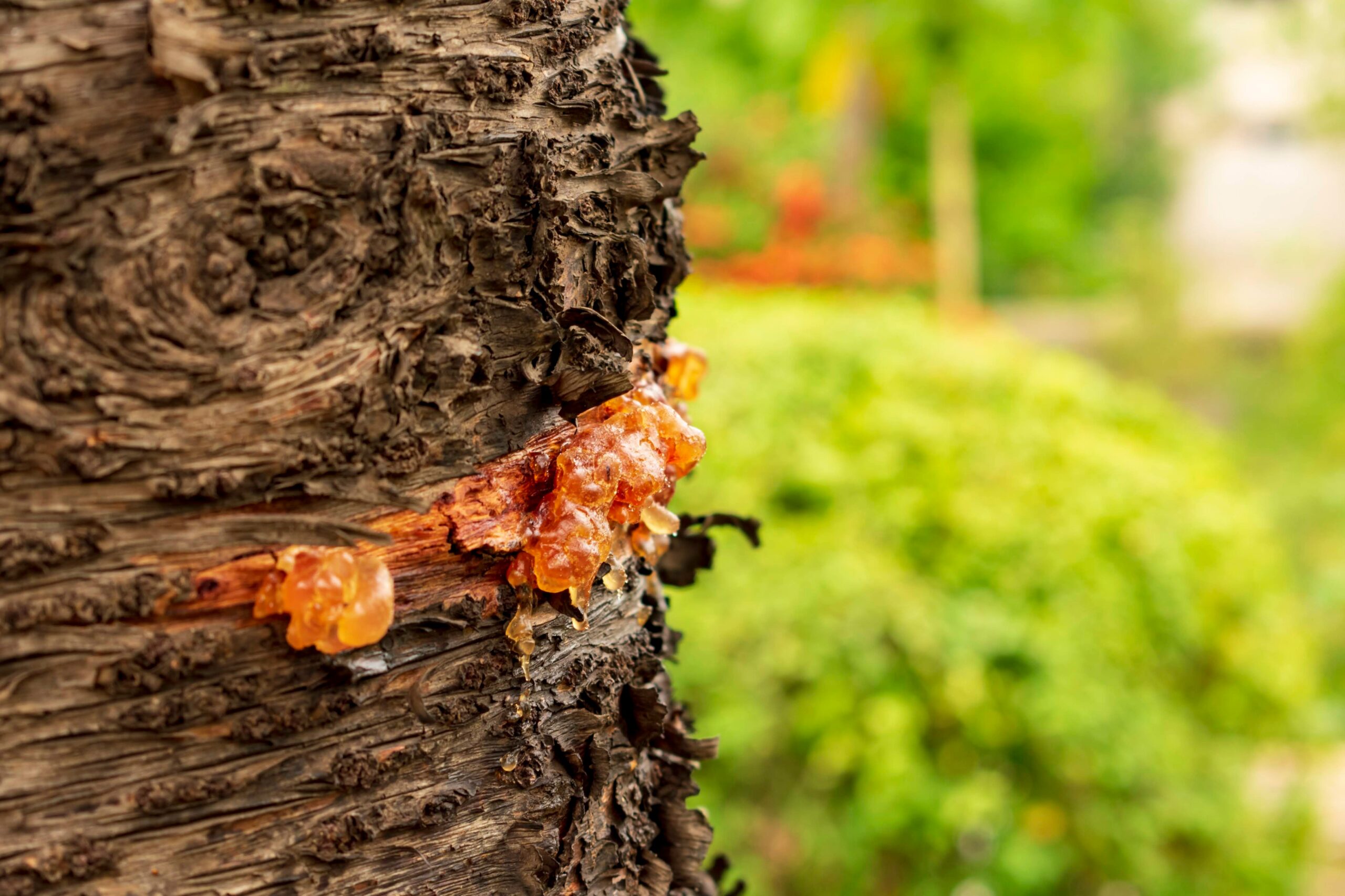
Some diseases and infestations — like sudden oak death or certain bark beetle infestations common on the Central Coast — are fatal to trees and can spread to healthy trees nearby. Removing an affected tree quickly protects the rest of your property.
Location becomes a problem
Sometimes a perfectly healthy tree needs to come down because of where it is. Roots lifting a foundation, branches growing into power lines, or a tree positioned to fall on a structure are all valid reasons for removal regardless of the tree’s health.
Dead trees
A dead tree should always be removed. Dead wood is unpredictable — it can fall at any time, and during fire season a dead tree on your property is a serious hazard.
The Oak Tree Question
On the Central Coast oak trees deserve special mention. Many homeowners feel strongly about preserving their oaks — and rightly so. California oaks are iconic, long-lived, and ecologically important.
But oaks are also susceptible to sudden oak death, a devastating disease that has affected thousands of trees across San Luis Obispo County. If your oak shows signs of sudden oak death — bleeding cankers on the bark, wilting leaves, or rapid dieback — get a professional assessment quickly. Early detection gives you more options.
When an oak does need to come down our crew handles it with the care and respect these trees deserve.
What About Storm Damage?
Storm damage is one of the most common reasons Central Coast homeowners call us. A tree that has lost major limbs, split at the trunk, or been uprooted partially during a storm needs to be assessed immediately.
Don’t wait to see if it recovers. A storm-damaged tree is unpredictable and the window to address it safely is often narrow — Consider our Emergency Tree Service.
🔗 Internal link: link “emergency tree service” to your Services page
When in Doubt — Get a Professional Assessment
You don’t have to make this decision alone. A professional assessment from an experienced tree care company costs nothing — at Whit’s-Turn estimates and property assessments are always free.
We’ll give you an honest evaluation of your tree’s condition, your options, and what we recommend. Sometimes the answer is a good pruning. Sometimes it’s removal. Either way you’ll have the information you need to make the right call for your property.
Serving Atascadero, Paso Robles, Templeton, Santa Margarita, Heritage Ranch, San Luis Obispo, and the surrounding Central Coast.